


Who Was Job, What Could be Secretly Revealed in Scripture?

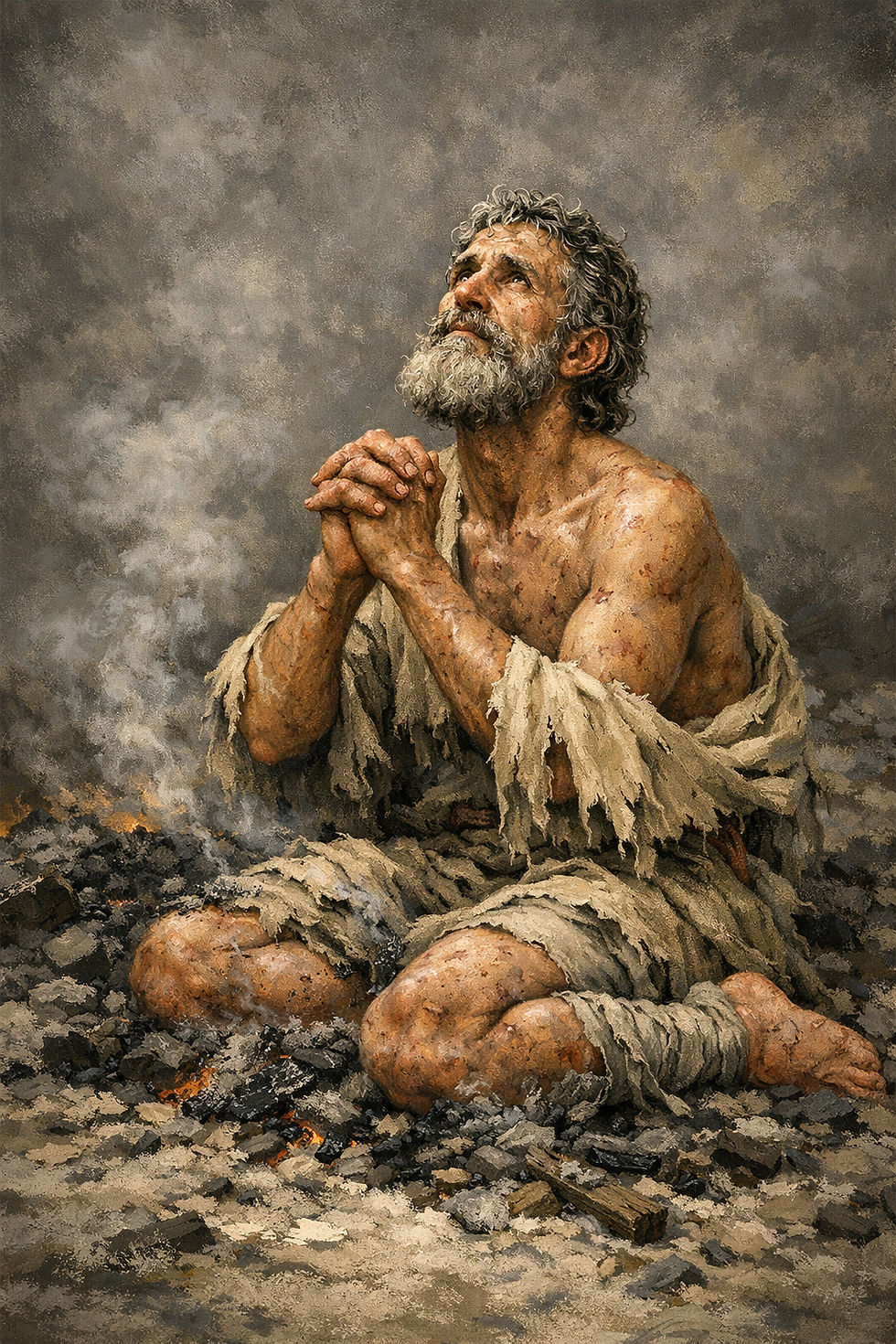
The book of Job opens with a simple statement: “There was a man in the land of Uz whose name was Job.” Yet that single sentence has stirred centuries of discussion. Who was this man, and where exactly was the mysterious land of Uz? The Scriptures give only glimpses, but when those pieces are brought together, an intriguing picture begins to emerge.
The Hebrew text leaves Job’s identity intentionally veiled. He stands before us not as an Israelite patriarch, prophet, or king, but as a righteous man whose faithfulness to God transcends national boundaries. The story itself focuses not on his pedigree but on his integrity, presenting him as an example for all generations. Nevertheless, an ancient tradition preserved in the Greek Septuagint adds a fascinating note after Job’s restoration and death. This appendix identifies Job with Jobab, a ruler mentioned in the genealogies of Edom, a descendant of Esau who reigned before there were kings in Israel.
If this tradition reflects historical memory, then Job was not merely a mysterious sage from an unknown land, but a recognizable figure within the Edomite world. The suffering servant of Uz would have been a man of noble standing, connected to the descendants of Abraham through Esau. Yet even if the Septuagint note represents a later attempt to identify him, it still points us toward the region most closely associated with the story itself: Edom.
The prophet Jeremiah lamented, “The joy of our heart has ceased,” but it is in Lamentations 4:21 that we find an important clue: “Rejoice and be glad, daughter of Edom, you who dwell in the land of Uz.” This remarkable statement links Uz directly with Edom, or at the very least places the two in close geographical relationship. Rather than being a distant and unknown territory, Uz appears to have been a region within or bordering the lands occupied by the descendants of Esau.
Such a setting beautifully fits the details found throughout the book. Job’s immense wealth consisted of sheep, camels, oxen, and servants. His world was one of caravans, nomadic movements, desert winds, and long-distance trade routes. The Sabeans and Chaldeans who raided his possessions were peoples connected with the broader Arabian and Mesopotamian world. Everything about the narrative breathes the atmosphere of the ancient Near East beyond the settled agricultural life of Israel.
Many scholars therefore place Uz in southern Jordan, east and south of the Dead Sea, extending toward northern Arabia. Others suggest northwestern Arabia itself. While some older traditions connected Uz with Aram in Syria, the cumulative evidence strongly favors an Edomite setting. The wisdom of Teman, one of Job’s companions, further strengthens this conclusion, for Teman was a well-known district within Edom and was renowned for its wise men. The prophet Obadiah even asks, “Shall I not in that day destroy the wise men out of Edom, and understanding out of Mount Esau?”
Whether Job was indeed Jobab, king of Edom, or whether he remains the intentionally unnamed righteous sufferer of sacred history, the message of the book remains unchanged. God revealed Himself not only to Israel but also among the nations. Long before Sinai, long before kings sat upon David’s throne, there were men who feared the Almighty, walked uprightly, and sought His wisdom.
The land of Uz reminds us that the God of Abraham is Lord over all the earth. His purposes extend beyond borders and genealogies. In the wilderness regions east of Canaan, among shepherds, traders, and desert peoples, there lived a man whom Scripture calls “blameless and upright, one who feared God and turned away from evil.” Through his suffering, generations have learned that even when heaven seems silent, the Creator remains sovereign, righteous, and worthy of trust.
Leisa
Reference
Septuagint Ending of Job — Companion Bible Appendix 62
https://www.levendwater.org/companion/append62.html (levendwater.org in Bing)
Genesis 36 – Jobab listed among the kings of Edom
https://www.biblegateway.com/passage/?search=Genesis+36%3A31-33&version=CJB (biblegateway.com in Bing)


Comments